 Dec 31, 2025 |
  10 minute read |
  Author: Cheng Fu, MuleRun CPO
TL;DR: AI is doing to software what 3D printing did to manufacturing: collapsing the tooling cost to near zero. This economic shift creates a new category of “agentic apps”—specialized tools built by domain experts for niche audiences that were previously economically irrational to serve. We are moving from a world of broad enterprise systems to one of micro-scale solutions. MuleRun provides the platform and infrastructure to bring these specialized apps to life.
When Print Farms Changed Manufacturing
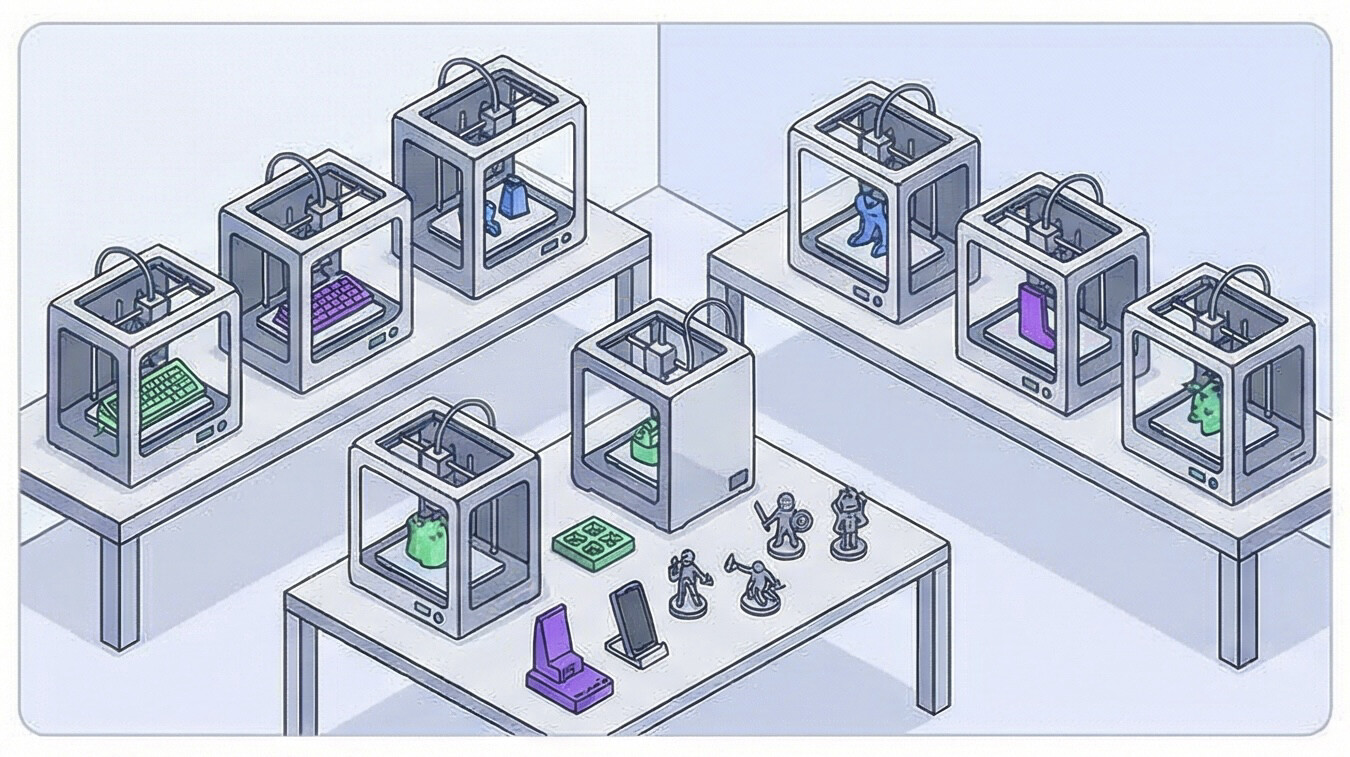
A few years ago, something interesting happened in the 3D printing world. The technology matured to a point where consumer-grade printers became precise enough, reliable enough, and cheap enough that a new business model emerged: the print farm.
Before this shift, 3D printing was primarily a prototyping tool. You’d print a few iterations of your design, test the fit and feel, then send the validated model off to a traditional manufacturer for injection molding. The economics were straightforward: printing was for experimentation, molding was for production. A single injection mold could cost $ 5,000 to 50,000, but once you had it, each unit cost pennies. The break-even math favored molding as soon as you crossed a few hundred units.
But then the equation changed. Printers got better. Filaments got cheaper. Reliability improved. Suddenly, people realized they could skip the mold entirely for certain products. A small studio could set up 20 printers in a spare room, and produce finished goods directly. No mold. No minimum order quantity. No factory negotiation. The “tooling cost” became essentially zero, which meant that products with only dozens of buyers became economically viable to manufacture.
This is how we got print farms: rooms full of humming machines, each producing small batches of niche products: custom keyboard cases, specialized phone mounts, artisanal miniatures for tabletop games. Products that would never justify the economics of traditional manufacturing now had a path to existence.
The Software Parallel
I’ve been thinking about this because we’re witnessing the same structural shift in software development. And like most paradigm shifts, it’s happening in plain sight while everyone focuses on the wrong details.
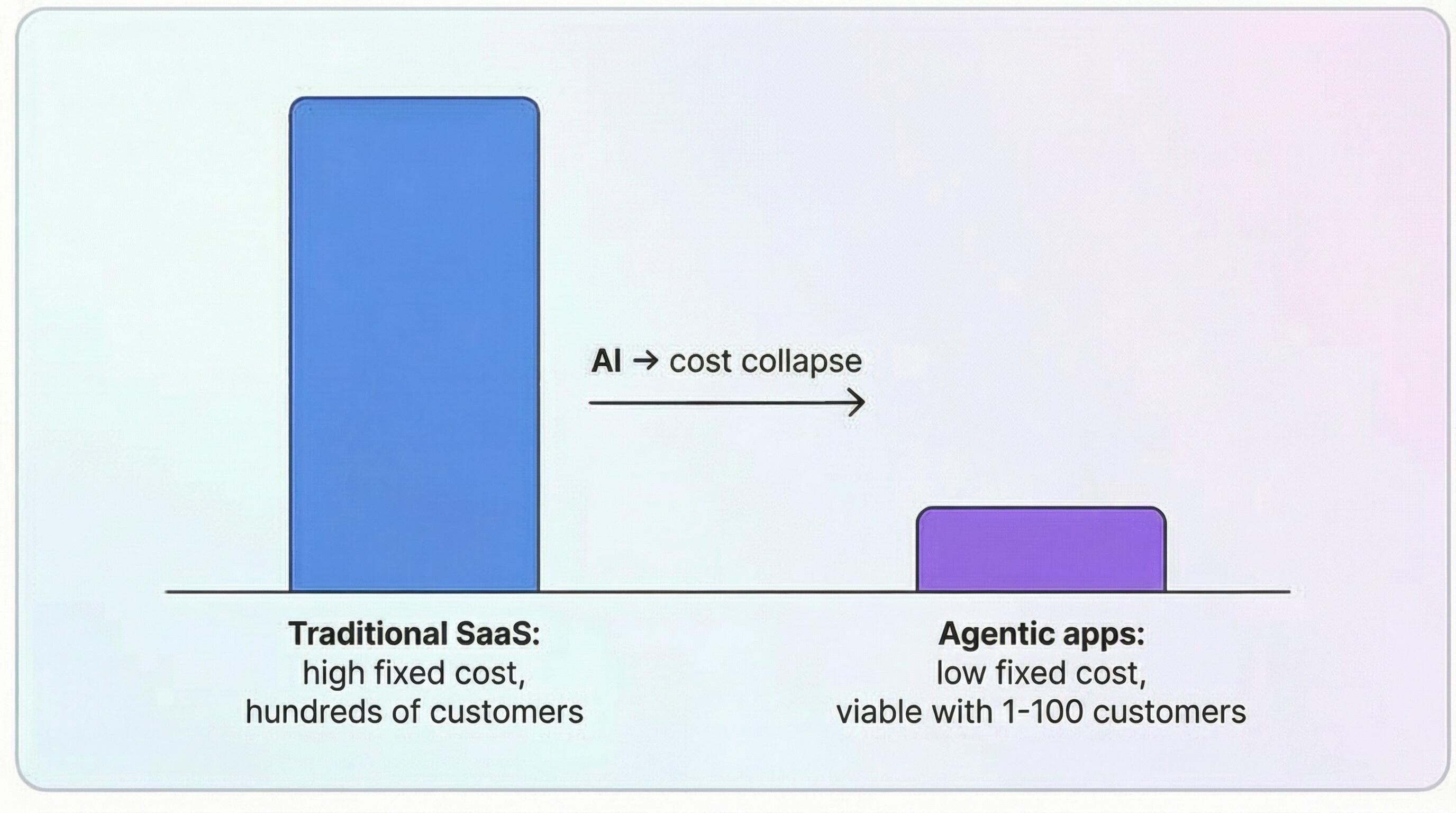
The traditional software business model follows a familiar pattern. You identify a problem affecting enough people, you assemble a team of developers and designers, you build and maintain the product, and you hope that enough users convert to paying customers to cover your operational costs. The math is unforgiving: a typical micro-SaaS needs a founder plus perhaps a contractor or two, which means you’re looking at a minimum viable revenue somewhere in the range of $ 200,000 to 500,000 annually just to make it worthwhile. This translates to needing several hundred paying customers at typical SaaS price points.
This economic floor creates what I call the “market threshold problem.” Plenty of valuable software ideas exist that would serve only a few dozen users well: specialized tools for niche industries, automation for obscure workflows, utilities for specific professional contexts. But the development and maintenance costs make them economically irrational to build. The ideas die in the gap between conception and viability.
AI is collapsing this gap.
The New Math
Here’s what’s changed. Building software no longer requires writing software, at least not in the traditional sense. Tools like Lovable and Bolt.new allow someone with zero coding experience to describe what they want and receive a functional website. The skill required has shifted from “knowing how to code” to “knowing what problem you want to solve.”
This has profound implications for the economics. When your development cost drops from “a team working for six months” to “an afternoon with an AI assistant,” the revenue required to make a product viable drops proportionally. A tool serving 30 paying customers at $10 per month might now be a perfectly rational product to build and maintain.
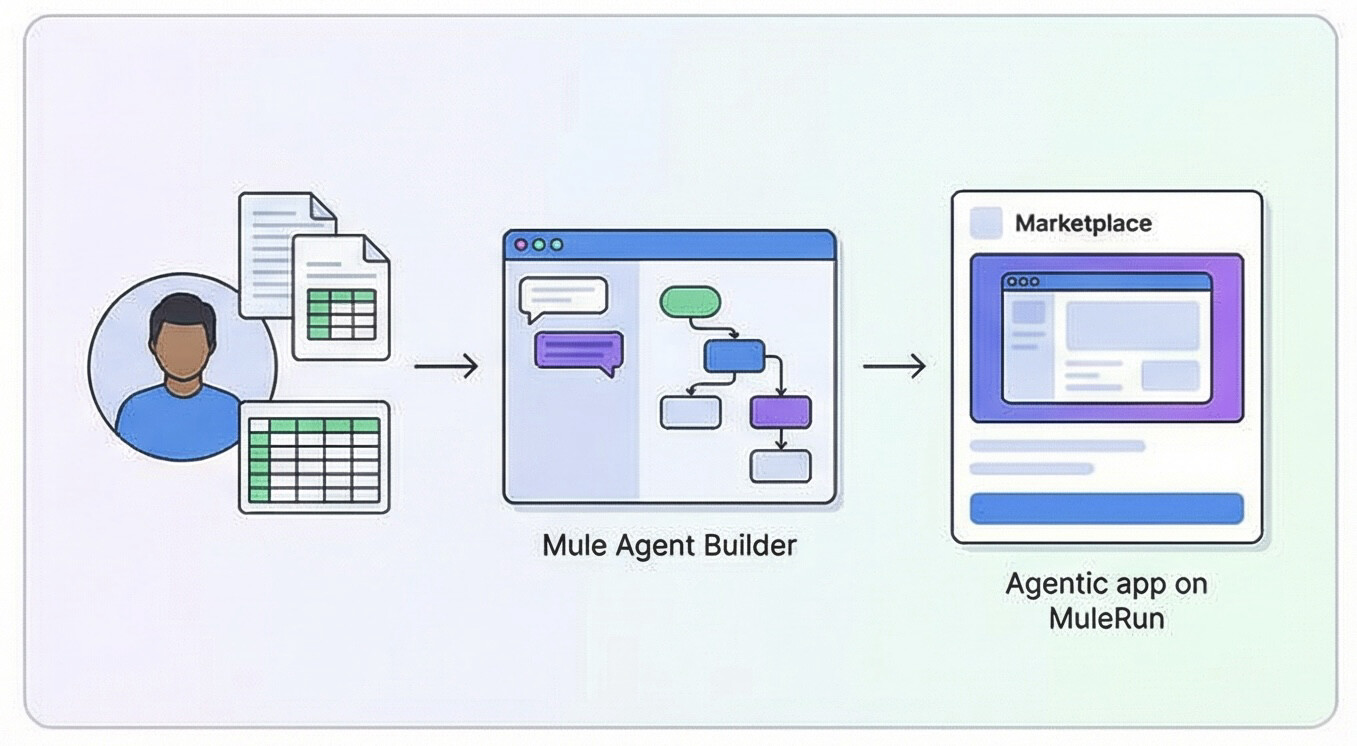
Consider what this unlocks. The architect who built a spreadsheet to estimate construction costs can now turn it into a proper application with a user interface. The financial analyst with a clever model for portfolio rebalancing can package it as a service. The researcher who automated their literature review workflow can offer it to others in their field. None of these people would have founded a software company in the traditional sense. The overhead was too high, the learning curve too steep. But they can build an agentic app.
What Is an Agentic App?
I use “agentic app” deliberately. These applications typically combine traditional software interfaces with AI capabilities—processing documents, making decisions, adapting to context. They’re more than simple CRUD applications but less than full enterprise systems. They occupy a new middle ground that didn’t exist before because it wasn’t economically viable.
The agentic app has a particular character. It usually solves a deep, narrow problem rather than a shallow, broad one. It’s often built by someone who actually experiences the problem rather than a product manager who interviewed people who experience the problem. It tends to be highly specialized, trading wide appeal for genuine utility to a specific audience.
This is the print farm model applied to software. Zero tooling cost. No minimum viable scale. Products can exist for audiences that would have been too small to serve.
What This Means for MuleRun
At MuleRun, we recognized this structural shift early. Our thesis is straightforward: if a new market segment is emerging, someone needs to build the infrastructure for it. Just as Shopify made e-commerce accessible by handling payments and logistics, and just as YouTube made video distribution accessible by handling encoding and bandwidth, we believe the agentic app market needs a platform that handles the messy infrastructure work.
This is why we built a two-sided marketplace. On one side, creators who build these agentic apps need somewhere to distribute them, collect payments, and manage users. On the other side, users who want to access specialized AI tools need a place to discover them, try them, and integrate them into their workflows.
The marketplace model matters because neither side can thrive without the other. Creators won’t build if there’s no audience. Users won’t show up if there’s nothing to find. By bringing both sides together, we create the conditions for this new market segment to flourish.
Looking Forward
I’m convinced we’re in the early days of a significant market restructuring. The economics of software production have fundamentally changed, and the consequences will take years to fully manifest. Some traditional software companies will find their markets fragmented by dozens of specialized alternatives. Some individual creators will find sustainable income streams building tools for small but devoted audiences. Some problems that never had software solutions will finally get addressed because the threshold for viability has dropped low enough.
The 3D printing metaphor isn’t perfect - few analogies are. But the core insight translates well. When you dramatically reduce the fixed costs of production, you don’t just make existing products cheaper. You make entirely new categories of products possible. Products that serve ten people. Products that serve a hundred. Products that would never have been conceived, let alone built, under the old economics.
This is the promise of the agentic app era. Not replacing traditional software, but filling in the vast spaces where traditional software economics couldn’t reach. A long tail of solutions, each one serving its small audience well. A print farm, humming quietly, producing exactly what someone needs.
 .
.